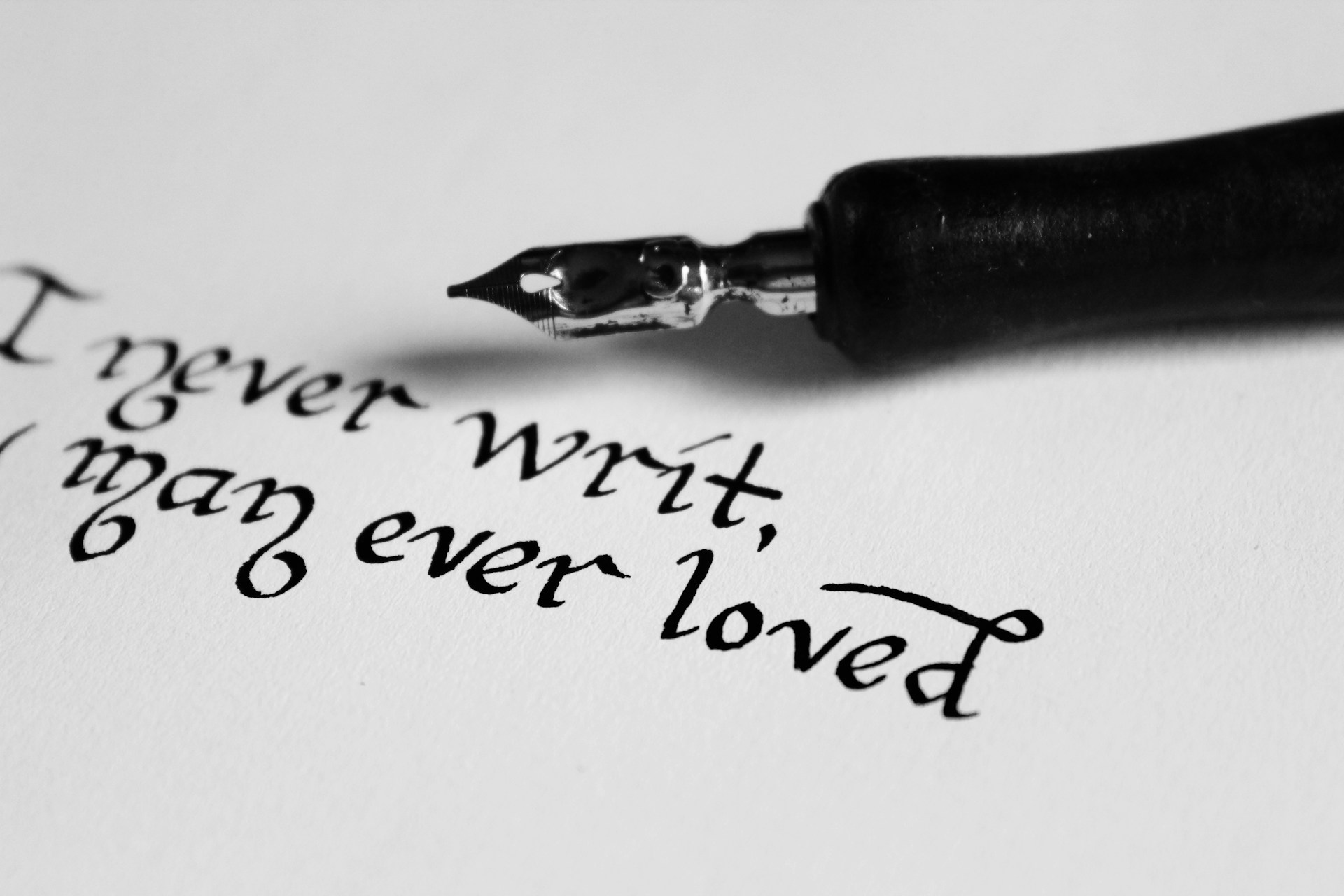
Ink, Paper, and the Thrill of the Table: Why Classic Casino Novels Still Hook Us
There’s a particular kind of novel that pulls you in from the first page and doesn’t let go until you’ve lost track of time completely — the kind set in candlelit gambling halls, smoky backrooms, and glamorous casinos where fortunes change hands and people reinvent themselves overnight. Classic casino literature has been doing this to readers for well over a century, and it shows no sign of losing its grip. But why? What is it about roulette wheels and card tables on a printed page that still feels so alive? And what does any of this have to do with the online casinos we play today? More than you’d think. For players navigating the vast world of modern digital gaming, expert resources like LegjobbKaszino — where independent specialists publish detailed, trustworthy reviews and comparisons of online casinos — serve the same purpose as a knowledgeable friend who’s already read every page: they help you figure out where to go and what to expect before you step through the door.
What Makes a Casino Novel a Classic?
Not every story set in a casino qualifies. There’s a whole category of shallow thrillers where the gaming hall is just a glamorous backdrop — scenery dressing up a plot that could have been set anywhere. The real classics are different. In them, the casino is never just a setting. It’s a crucible. It’s the place where the mask slips, where people reveal who they actually are when money and luck and desperation are all in the same room at the same time.
Dostoevsky’s The Gambler is the obvious starting point — and it’s obvious for good reason. Written in a feverish 26 days to pay off a debt (a very on-theme origin story), it remains one of the most psychologically raw portraits of compulsion ever put to paper. Alexei, the protagonist, isn’t really gambling for money. He’s gambling because it’s the only moment he feels fully alive, fully present, fully himself. That insight — that the appeal of gambling is often less about winning and more about the intensity of the experience — is something that resonates just as strongly now as it did in 1867.
Ian Fleming gave us a very different kind of casino novel with Casino Royale. Here the table is a battlefield, and the cards are weapons. Bond doesn’t gamble to feel alive — he gambles to win, coldly and methodically, against an opponent who is doing the same. The drama comes not from inner psychology but from the chess-match quality of the encounter: who blinks first, who miscalculates, who has the nerve to push their chips all in at the crucial moment. It’s thrilling in a completely different register from Dostoevsky, but it’s working with the same core material: the human being under pressure, stripped of pretense.
The Casino as a Stage for Character
What both novels understand, along with every other enduring piece of casino literature, is that the gaming table is one of the few social situations where ordinary rules of behaviour are suspended. Status, wealth, background — all of it can be undone in an hour. A person who entered the room as a winner can leave as a loser. And the reverse. This temporary suspension of the social order is what makes it such productive territory for fiction. The stakes are real, the outcomes are uncertain, and the characters are on their own. That’s the recipe for good storytelling in any genre.
The Literary Anatomy of a Casino Scene
Pick up almost any great casino novel and you’ll notice the same craft elements showing up again and again. Writers clearly love this setting, and they use it in very specific ways.
Time works differently in casino scenes. Real casino design tries to eliminate any sense of time passing — no windows, no clocks, an eternal present of possibility. Great casino writers recreate this on the page, stretching a single hand of cards across pages of psychological observation, or compressing entire nights of play into a single paragraph that feels like a blur. The manipulation of time is one of the central tools of the genre.
Sound and atmosphere are equally important. The rattle of chips, the quiet authority of the croupier’s voice, the particular hush that falls over a table at a critical moment — these details appear in practically every casino narrative because they do real work. They signal to the reader: this is a different world, operating by different rules. You’re in the labyrinth now.
And then there’s money — or rather, what money means in these stories. In the best casino literature, money is never just money. It’s freedom, it’s self-worth, it’s a ticket out, it’s everything someone has built reduced to a stack of chips that can vanish in seconds. The financial stakes are always emotional stakes in disguise. That’s what gives the scenes their charge.
Budapest’s Real Casinos — Where Literature Meets Reality
If you want to understand why casino literature feels so atmospheric, it helps to spend time in an actual casino — one of the grand, physical kind. Budapest, which has a long and genuinely interesting relationship with gambling culture, has several establishments that feel like they could have walked out of a novel.
Las Vegas Casino Corvin sits at the heart of Budapest’s gaming scene with a full range of table games and slots. The name is borrowed from Nevada, but the atmosphere is unmistakably Central European — a mixture of old-world hospitality and American gaming energy that feels distinctly local.
Las Vegas Casino Atlantis leans into its mythological name with purpose. Like the lost city it references, it’s designed to feel removed from the ordinary world — somewhere with its own logic and its own rules. Dostoevsky would have recognised the feeling immediately.
Las Vegas Casino Sofitel integrates the gaming experience into one of Budapest’s finest hotels, making it part of a broader luxury ecosystem. Arriving here feels like entering a place where the stakes of ordinary life have been temporarily replaced by different ones.
Tropicana Casino offers a warmer, more theatrical aesthetic — vivid colours, an air of perpetual holiday. It’s a deliberate contrast to the grey Budapest winters outside, a constructed micro-reality with its own weather system.
All four share something the best casino fiction captures so well: they are designed experiences, carefully constructed to feel like a world apart. The absence of clocks, the particular lighting, the choreography of the staff — all of it is intentional. The physical casino is, among other things, a piece of environmental storytelling. And the best casino novels are, in return, a kind of literary casino: a designed experience with its own atmosphere and its own rules.
Getting Into the Game — Low-Stakes Entry Points
One thing classic casino novels rarely talk about is accessibility. The protagonists of Dostoevsky and Fleming tend to arrive with either serious money or no money at all, with very little in between. The contemporary online casino world is considerably more democratic. Platforms that accept an online casino minimum deposit 350 huf have genuinely transformed who can step through the door — the entry point is now less than the price of a coffee, which shifts the whole experience from high-stakes drama to something you can approach calmly and explore at your own pace.
That accessibility changes the psychology of the thing, and perhaps the literature we’ll eventually get from it. When gambling is no longer exclusively a story about desperation or wealth, it becomes a story about leisure, entertainment, and the quiet pleasure of a little uncertainty in an otherwise predictable evening. That’s a different kind of story — less Dostoevsky, more contemporary. But no less human.
Payment Methods: The Practical Side of Getting Started
Modern online platforms support every kind of deposit method you could reasonably want. The most common options include Visa and Mastercard for straightforward card payments, e-wallets like Skrill and Neteller for faster processing and a layer of separation from your main banking, prepaid solutions like Paysafecard for setting a fixed budget before you play, bank transfers for larger and more direct transactions, mobile payment systems including Apple Pay and Google Pay for quick one-tap deposits, and cryptocurrency options like Bitcoin and Ethereum for players who prioritise privacy and speed.
Why These Stories Still Matter
Here’s the real question: it’s 2025, online casinos are available on your phone, you can play from your sofa in your pyjamas — so why read a novel set in a gas-lit gambling hall in nineteenth-century Germany?
Because the novels aren’t really about gambling. They’re about being human. They’re about what people do when they want something badly and the outcome is out of their hands. They’re about the gap between who we present ourselves as and who we actually are when pressure is applied. They’re about hope, delusion, discipline, and the seductive lie that the next hand will be different from the last.
None of that has changed. The setting has changed — from Baden-Baden to a browser window — but the underlying experience of sitting with uncertainty, of wanting things you can’t fully control, of the particular aliveness that comes from real stakes — that’s as recognisably human as it ever was.
The best casino novels are also, quietly, cautionary tales. Not preachy ones — Dostoevsky doesn’t lecture you, and Fleming certainly doesn’t — but honest ones. They show you what this world can be at its most dramatic and most destructive, without pretending it isn’t also genuinely compelling. That honesty is part of why they last.
Conclusion: The Story Continues
Classic casino literature endures because it found a timeless subject wearing very specific period clothes. Strip away the frock coats and the gas lamps and you’re left with something permanent: the human relationship with chance, the tension between strategy and luck, the moment when everything you’ve decided about yourself is put to the test by a card being turned face-up on a green baize table.
Online casinos didn’t replace that story. They gave it a new chapter. The labyrinth is still there — just accessible from your living room, with a minimum deposit of 350 HUF and a responsible gaming policy attached. Dostoevsky might not have seen that coming. But he would absolutely have understood the impulse that drives people toward it.
This article is intended for informational and cultural purposes. Please gamble responsibly. If you are experiencing difficulties related to gambling, please seek professional support.